
#AI Agents in Your Pocket: What the Galaxy S26 Signals About the Future of Smartphones
Copy page
TL;DR (Direct Answer)
The Samsung Galaxy S26 isn’t just another smartphone upgrade — it signals a deeper shift toward AI-driven personal agents embedded directly into mobile devices. Instead of simply responding to commands, these systems are increasingly designed to anticipate needs, automate tasks, and coordinate apps on behalf of users.
If this trend continues, smartphones may evolve from app-launching devices into AI assistants that manage digital life autonomously — scheduling tasks, organizing information, communicating with services, and even making decisions in the background.
#Why This Topic Is Important Right Now
For more than a decade, smartphones have evolved primarily through hardware improvements: faster processors, better cameras, brighter displays, and longer battery life.
But recently, a different kind of upgrade has started to dominate the conversation — artificial intelligence.
Instead of simply adding features, companies are now trying to turn smartphones into intelligent assistants that actively help users accomplish tasks. This shift is driven by advances in on-device AI chips, cloud AI models, and new software frameworks capable of coordinating multiple apps at once.
Samsung’s Galaxy S26 reflects this trend. Rather than positioning AI as a novelty feature, the company is increasingly integrating it across the operating system: writing messages, organizing photos, scheduling tasks, and even interacting with third-party services.
The broader vision is clear: your smartphone becomes less like a device you control — and more like an agent working on your behalf.
#The Key Solutions Compared
| Feature | Samsung Galaxy AI | Apple Intelligence | Google Gemini Mobile | Microsoft Copilot Mobile | Perplexity AI Mobile | OpenAI Mobile AI | Future AI Agents |
|---|---|---|---|---|---|---|---|
| Integration Level | System-wide | System-wide | Android deep integration | Productivity apps | Search-first | App-based | Full OS integration |
| On-device Processing | Partial | Strong focus | Hybrid | Mostly cloud | Cloud | Cloud + hybrid | Likely hybrid |
| Task Automation | Growing | Planned | Growing | Limited | Limited | Experimental | Extensive |
| Cross-App Coordination | Moderate | Expected strong | Improving | Minimal | Minimal | Emerging | Core feature |
| Privacy Focus | Moderate | High emphasis | Moderate | Enterprise-focused | Moderate | Improving | Critical |
| Ecosystem | Samsung/Android | Apple ecosystem | Android ecosystem | Microsoft services | Web-first | Cross-platform | Platform-wide |
| Agent Capabilities | Early stage | Emerging | Rapidly evolving | Assistant-like | Query-focused | Experimental | Fully autonomous |
Several companies are now racing to build AI-powered assistants capable of acting as digital agents. These systems vary in how deeply they integrate with the operating system and how much autonomy they have.
The Galaxy S26 sits at an interesting point in this evolution — representing a transition between simple assistants and fully capable AI agents.
#Solution / Tool 1
#Samsung Galaxy AI
Why it matters:
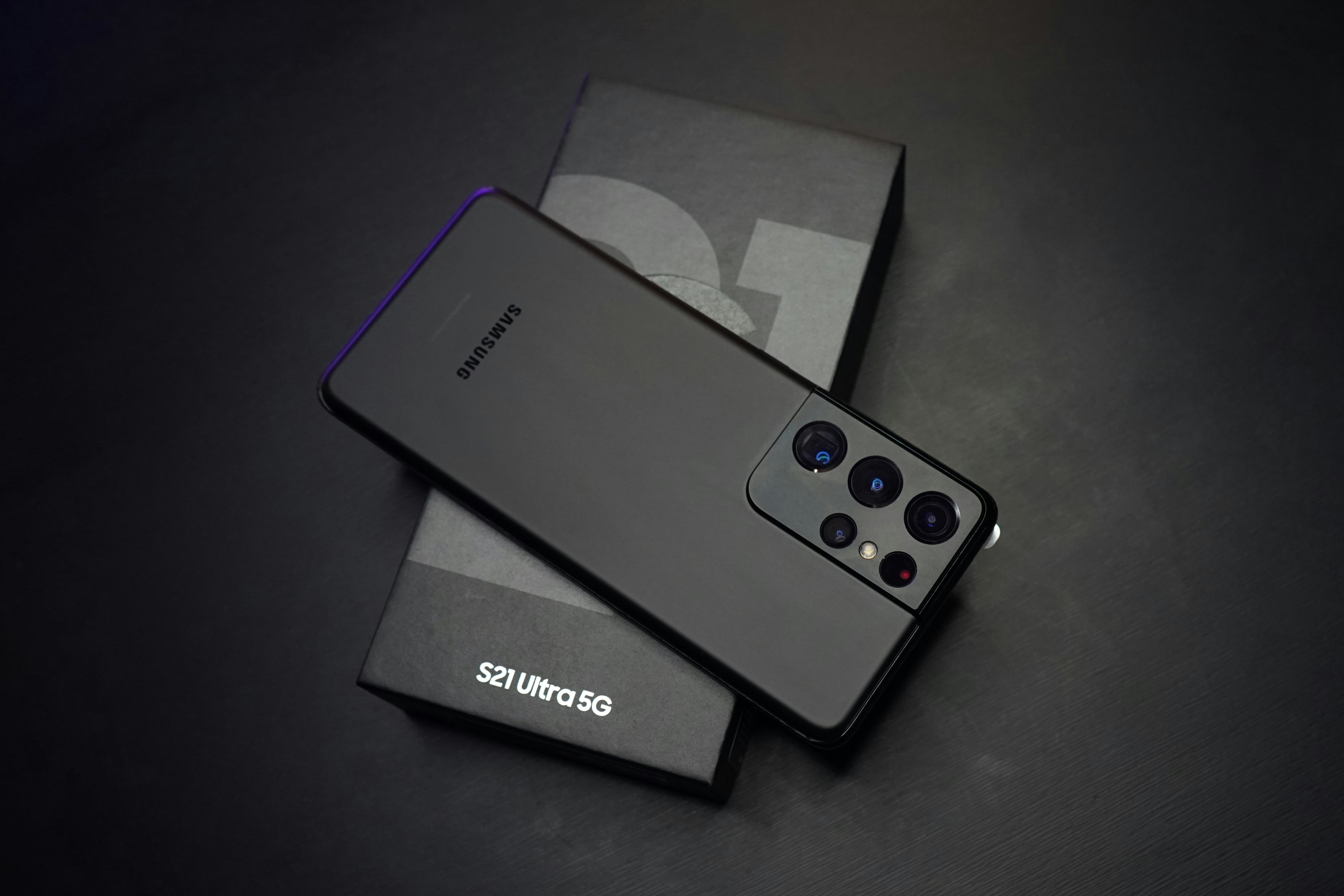
Samsung has been aggressively integrating AI features into its flagship devices, from real-time translation to generative photo editing and intelligent note summarization.
What it does:
Galaxy AI combines on-device processing with cloud-based models to assist with tasks like writing messages, translating calls, summarizing notes, and organizing content.
Limitation:
Many features still require cloud processing, which introduces latency and privacy concerns.
Best for:
Users who want built-in AI tools integrated directly into everyday phone tasks.
#Solution / Tool 2
#Apple Intelligence
Why it matters:
Apple has been investing heavily in AI designed to run directly on-device, emphasizing privacy and deep integration with the iPhone ecosystem.
How it works:
Apple Intelligence is designed to integrate with system apps such as Messages, Mail, Photos, and Notes, providing contextual assistance without requiring users to switch apps.
Best for:
Users already deeply embedded in the Apple ecosystem.
#Solution / Tool 3
#Google Gemini Mobile

Why it matters:
Google’s Gemini models are designed to power AI assistants across Android devices, enabling contextual assistance and deeper interactions between apps.
Use cases:
- Smart email drafting
- Calendar scheduling
- Search-based assistance
- App navigation
Limitation:
Deep OS-level automation is still developing.
#Solution / Tool 4
#Microsoft Copilot Mobile

Key difference:
Microsoft’s Copilot focuses heavily on productivity workflows, integrating with tools such as Word, Excel, Outlook, and Teams.
Best for:
Professionals who rely on Microsoft’s ecosystem.
#Solution / Tool 5
#Perplexity AI Mobile
How it works:
Perplexity focuses on conversational search, allowing users to ask complex questions and receive synthesized answers with cited sources.
Why it matters:
This model hints at how AI agents may handle information gathering and research tasks in the future.
#Solution / Tool 6
#OpenAI Mobile AI

Best for:
Users looking for a flexible AI assistant capable of writing, coding, researching, and reasoning.
Many current AI tools operate as standalone apps, but future versions may integrate directly with operating systems and device hardware.
#Solution / Tool 7
#The Next Generation of AI Agents

Why it matters:
The real shift isn't just smarter assistants — it’s autonomous digital agents.
Instead of waiting for commands, AI systems could soon:
- book travel
- schedule meetings
- coordinate apps
- summarize daily information
- manage digital tasks automatically
Platform support:
Future smartphones may include AI layers capable of interacting with multiple apps simultaneously, effectively acting as a personal operating system for your digital life.
Best for:
Everyone — if the technology becomes reliable and trustworthy.
#Which Should You Choose?
| Your Priority | Best Choice | Runner-Up |
|---|---|---|
| Android ecosystem | Samsung Galaxy AI | Google Gemini |
| Apple ecosystem | Apple Intelligence | — |
| Productivity | Microsoft Copilot | Gemini |
| Research and search | Perplexity AI | OpenAI AI |
| Experimental AI agents | OpenAI AI | Gemini |
Choosing an AI-powered smartphone experience today largely depends on which ecosystem you use.
But the bigger story is that smartphones are gradually transforming into AI-first devices.
#What This Means for Readers
The arrival of AI agents in smartphones will likely reshape how we interact with technology.
#Short term
Expect more AI-powered features embedded in everyday apps — writing tools, translation features, photo editing, and scheduling assistants.
#Medium term (6–12 months)
Phones may begin coordinating tasks across apps automatically, reducing the need for manual interaction.
#Long term (12–24 months)
Your smartphone could become a true digital agent, capable of planning tasks, making decisions, and managing information on your behalf.
This could fundamentally change the way we use devices.
#How Relevant Platforms Fit In
Smartphones are only one piece of a much larger AI ecosystem.
Future AI agents will likely coordinate across multiple platforms:
- smartphones
- laptops
- smart glasses
- home assistants
- wearable devices
The Galaxy S26 hints at a future where AI is not just an app — it becomes the core interface of computing.
In that world, apps may become secondary. The AI agent becomes the primary way users interact with technology.
#FAQ
What are AI agents on smartphones?
AI agents are advanced assistants that can autonomously perform tasks, coordinate apps, and make decisions based on user goals.
Does the Galaxy S26 include AI agents?
Not fully autonomous ones yet, but it continues the trend toward deeper AI integration across the operating system.
Will AI replace smartphone apps?
Probably not entirely, but AI agents may increasingly manage and coordinate apps automatically.
Are AI agents safe for privacy?
That depends on how much processing occurs on-device versus in the cloud.
Will all smartphones eventually include AI agents?
Most likely. The industry is rapidly moving toward AI-first computing experiences.