
#VCs Are Done Funding Chatbots: The Next Wave of AI Billion-Dollar Startups Is Being Built on Chips, Pipes & Power
Copy page

TL;DR (Direct Answer)
Venture capital is rapidly shifting away from consumer-facing AI applications like chatbots and toward the foundational infrastructure that powers AI—semiconductors, data centers, and energy systems. The next generation of billion-dollar startups is being built not on interfaces, but on the physical and computational backbone required to run AI at scale.
This shift reflects a deeper realization: AI’s real bottleneck isn’t ideas—it’s compute, bandwidth, and power. Companies that solve these constraints are positioned to capture massive long-term value.
#Why This Topic Is Important Right Now

Over the past few years, the AI boom has been dominated by applications—chatbots, writing assistants, image generators. These tools captured public attention and attracted enormous funding. But beneath the surface, a different story has been unfolding.
The rapid adoption of AI has created unprecedented demand for computational resources. Training large models requires massive GPU clusters, specialized chips, and enormous amounts of electricity. Companies are now hitting hard limits—not in creativity, but in infrastructure.
This is where venture capital is pivoting. Instead of funding another chatbot interface, investors are backing companies that build the pipes: semiconductor startups designing AI-specific chips, data center operators scaling hyperscale infrastructure, and energy companies enabling sustainable compute.
A simple way to understand this shift is to think of AI like the internet in the early 2000s. The biggest opportunities weren’t just websites—they were the infrastructure companies that made everything possible. We’re now seeing the same pattern repeat.
#The Key Solutions Compared
| Feature | AI Chips | Data Centers | Cloud Platforms | Energy Systems | Networking Infra | Edge Compute | Cooling Tech |
|---|---|---|---|---|---|---|---|
| Core Function | Compute | Storage & processing | Access layer | Power supply | Data transfer | Local compute | Thermal control |
| Capital Intensity | Very High | Very High | High | High | High | Medium | Medium |
| Scalability | High | High | Very High | Medium | High | High | Medium |
| Bottleneck Solved | Speed | Capacity | Accessibility | Power | Latency | Real-time AI | Heat |
| Investment Trend | Exploding | Exploding | Stable | Rising | Rising | Growing | Growing |
What stands out is that every layer of the AI stack is becoming a bottleneck. Chips limit performance, data centers limit scale, and energy limits everything. This is why investment is spreading across the entire infrastructure ecosystem—not just one segment.
#AI Chips: The New Oil of the AI Economy

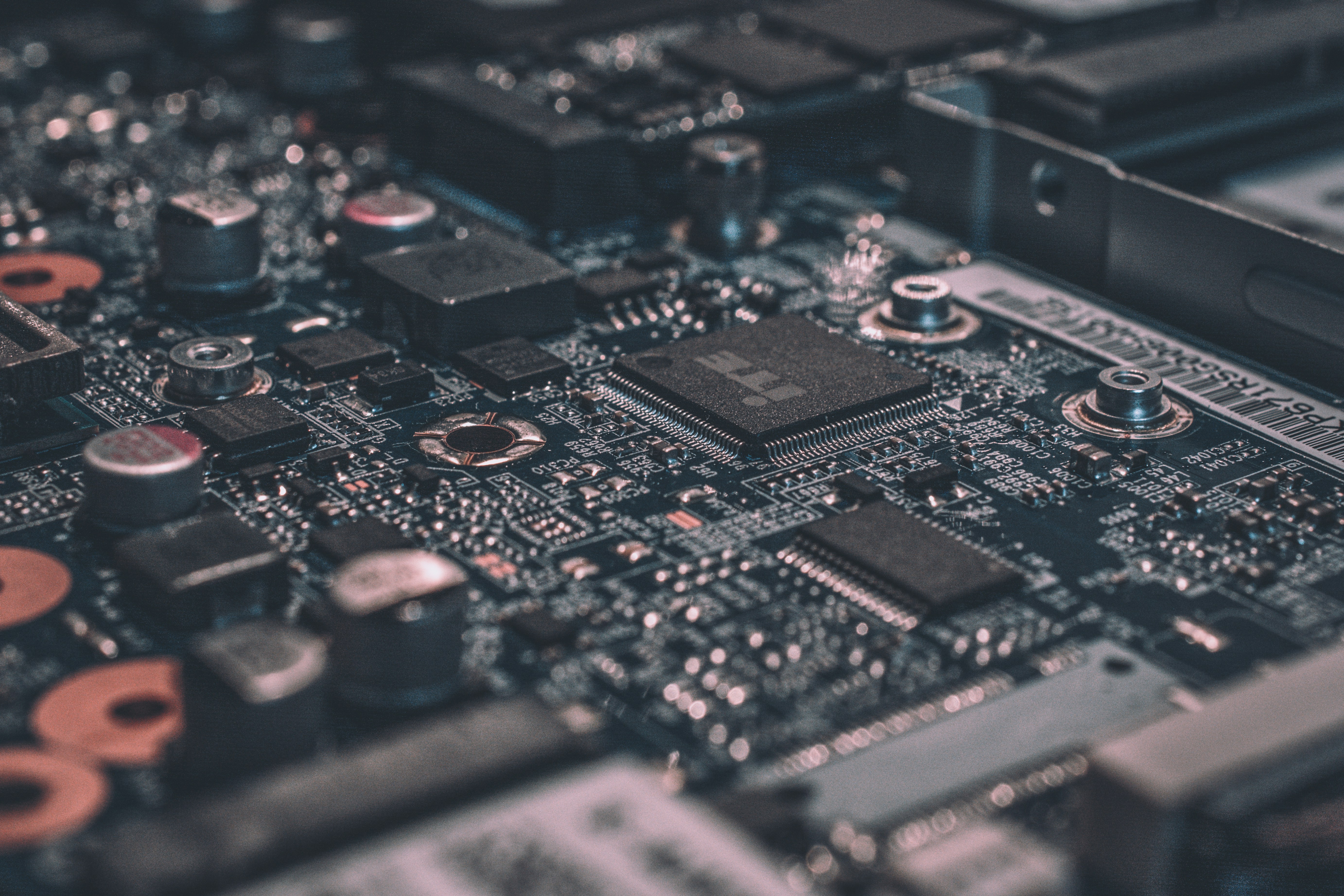
AI chips have become the most critical component of the modern tech stack. Companies designing specialized hardware for machine learning workloads are attracting massive investment.
Traditional CPUs are no longer sufficient. AI requires GPUs, TPUs, and custom accelerators designed specifically for parallel computation.
Why it matters:
Compute is the foundation of AI. Without faster and more efficient chips, progress slows dramatically.
What it does:
Enables training and inference of large-scale machine learning models.
Limitation:
Extremely high development costs and supply chain dependencies.
Best for:
Deep tech startups, semiconductor innovators, and hyperscalers.
#Data Centers: The Factories of Intelligence
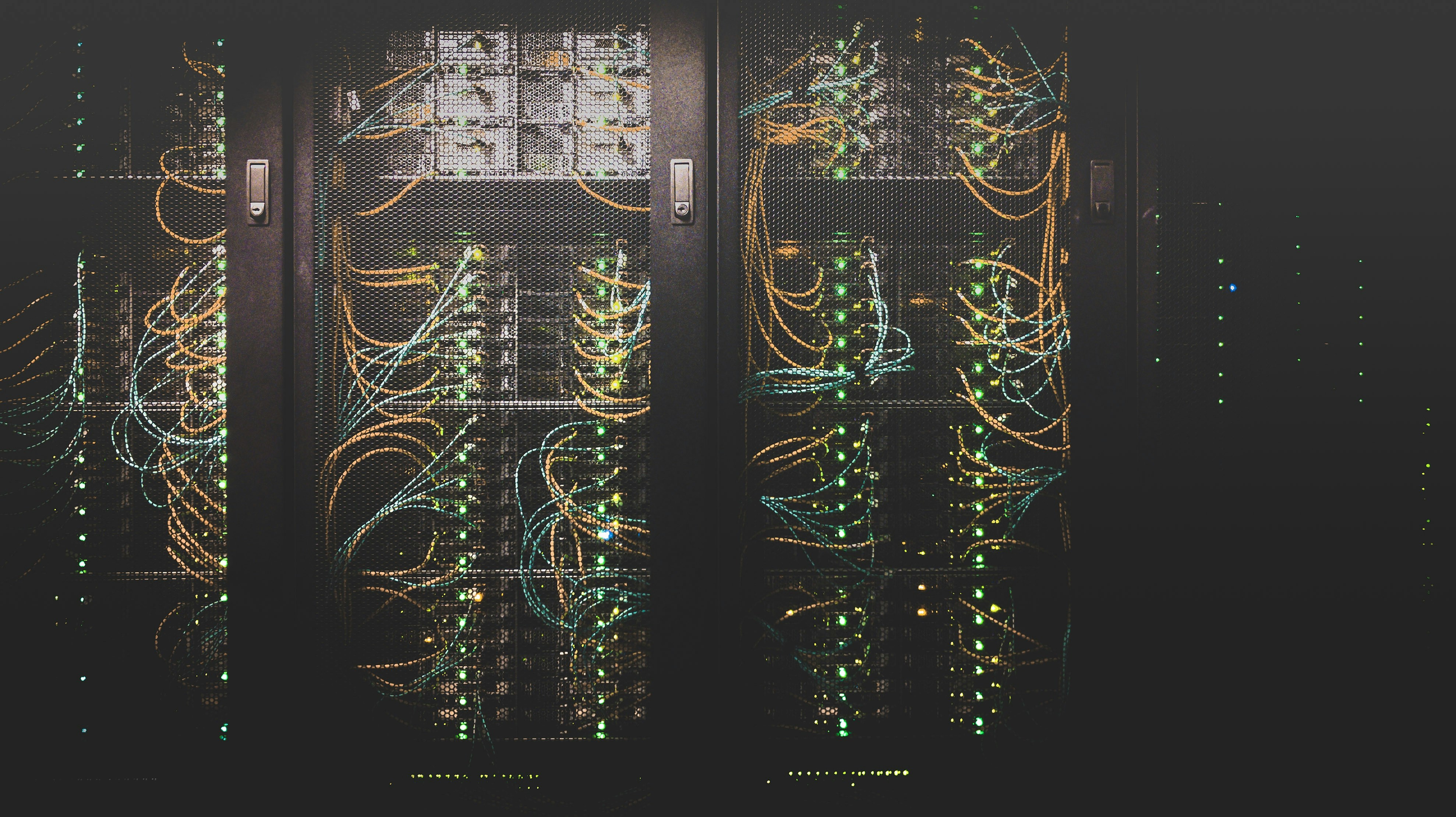
Data centers are where AI actually runs. As models grow larger, the need for hyperscale infrastructure has surged.
These facilities are no longer just storage hubs—they are computational powerhouses.
Why it matters:
They determine how much AI can be deployed in the real world.
How it works:
By housing thousands of GPUs and managing distributed computing workloads.
Best for:
Infrastructure providers and enterprise AI deployment.
#Cloud Platforms: The Distribution Layer of AI

Cloud platforms act as the interface between infrastructure and users. They make AI accessible without requiring companies to build their own data centers.
Why it matters:
They democratize access to powerful AI tools.
Use cases:
Startups building AI apps, enterprises scaling operations.
Limitation:
Cost can scale quickly with heavy usage.
#Energy Systems: The Hidden Constraint

AI consumes enormous amounts of energy. Training a single large model can use as much electricity as small towns.
This has made energy infrastructure one of the most overlooked but critical investment areas.
Key difference:
Unlike other layers, energy directly limits how much AI can scale.
Best for:
Energy startups, grid innovation companies, and sustainability-focused ventures.
#Networking Infrastructure: Moving Data at Scale
AI systems rely on fast data transfer between nodes. Without efficient networking, even the best chips underperform.
How it works:
Through high-speed interconnects and fiber networks.
Why it matters:
Reduces latency and improves distributed training efficiency.
#Edge Compute: Bringing AI Closer to Users
Edge computing pushes AI processing closer to where data is generated—on devices rather than centralized servers.
Best for:
Real-time applications like autonomous vehicles and IoT systems.
#Cooling Technology: Solving the Heat Problem

As compute increases, so does heat. Cooling has become a major engineering challenge.
Why it matters:
Without effective cooling, hardware performance degrades.
Platform support:
Used across all major data center environments.
Best for:
Hardware-focused startups and infrastructure providers.
#Which Should You Choose?
| Your Priority | Best Choice | Runner-Up |
|---|---|---|
| Maximum upside | AI Chips | Data Centers |
| Stable growth | Cloud Platforms | Networking Infra |
| Sustainability focus | Energy Systems | Cooling Tech |
| Real-time applications | Edge Compute | Networking Infra |
| Lower entry barrier | Edge Compute | Cooling Tech |
For investors and builders, the right choice depends on risk tolerance and expertise. Chips offer massive upside but require deep technical capability. Data centers and cloud platforms provide scale, while edge and cooling technologies offer emerging opportunities with lower barriers.
#What This Means for Readers

The shift from applications to infrastructure signals a maturation of the AI industry. We’re moving from experimentation to industrialization.
#Short term
Expect rising costs for AI usage as demand for compute outpaces supply. Infrastructure providers will gain pricing power.
#Medium term (6–12 months)
New startups will emerge focusing on efficiency—better chips, smarter cooling, and optimized data transfer.
#Long term (12–24 months)
The winners of the AI race will likely be companies controlling infrastructure, not just applications. Just like cloud giants defined the last decade, infrastructure leaders will define the next.
For individuals and businesses, this means understanding where value is being created. It’s no longer just about building AI tools—it’s about enabling them.
#FAQ
Why are VCs moving away from chatbots?
Because the market is saturated and differentiation is low compared to infrastructure opportunities.
What is the biggest bottleneck in AI today?
Compute and energy availability.
Are infrastructure startups riskier?
Yes, but they also offer higher long-term rewards.
Can small startups compete in this space?
Yes, especially in niche areas like cooling, edge computing, and optimization.
What does this mean for AI developers?
They need to think beyond applications and understand the systems powering them.
Written following structured human-like blogging principles oai_citation:0‡Blog_prompt.txt