
#Cloud 3.0 Explained: Hybrid, Multi-Cloud, and Sovereign Architectures in Plain English
Copy page

TL;DR (Direct Answer)
Cloud 3.0 is the next evolution of cloud computing where companies don’t rely on a single cloud provider anymore. Instead, they combine hybrid cloud (private + public), multi-cloud (multiple providers), and sovereign cloud (data controlled by local laws) into one intelligent system.
In simple terms:
👉 Cloud 1.0 = One cloud
👉 Cloud 2.0 = Better cloud
👉 Cloud 3.0 = Many clouds working together intelligently
#Why This Topic Is Important Right Now

Cloud computing used to be simple: pick a provider like AWS, Azure, or Google Cloud—and run everything there.
That approach is no longer enough.
Today’s reality includes:
- stricter data laws (especially in Europe and India)
- rising geopolitical tensions
- need for AI-scale computing
- demand for zero downtime
This is where Cloud 3.0 comes in.
Cloud 3.0 is defined as a model where infrastructure is distributed, intelligent, and automated across multiple environments rather than centralized in one provider oai_citation:0‡LinkedIn
It combines:
- on-premise systems
- public clouds
- edge computing
- sovereign environments
into a single coordinated system oai_citation:1‡CnetLabs KN
The shift is massive:
👉 From “where should we host this?”
👉 To “what’s the best environment for this workload?”
#The Key Solutions Compared
| Feature | Hybrid Cloud | Multi-Cloud | Sovereign Cloud | Single Cloud | On-Premise | Edge Computing | Cloud 3.0 |
|---|---|---|---|---|---|---|---|
| Definition | Mix of private + public | Multiple providers | Region-controlled cloud | One provider | Local servers | Processing near user | All combined intelligently |
| Flexibility | High | Very high | Medium | Low | Low | High | Extremely high |
| Cost | Medium | Optimized | High | Low | High | Medium | Optimized |
| Compliance | High | Medium | Very high | Low | High | Medium | Very high |
| Complexity | Medium | High | High | Low | Medium | Medium | Very high |
| Future relevance | High | Very high | Exploding | Declining | Declining | Growing | Dominant |
👉 Cloud 3.0 isn’t a new type—it’s the combination of everything above.
#Solution / Tool 1: Hybrid Cloud (The “Best of Both Worlds”)

Why it matters:
Some data is too sensitive for public cloud—but you still want scalability.
What it does:
Hybrid cloud combines:
- private infrastructure (your servers)
- public cloud (AWS, Azure, etc.)
This allows businesses to keep sensitive data private while using the cloud for scale oai_citation:2‡TRooTech
Limitation:
Complex to manage and integrate.
Best for:
Banks, healthcare, government, and enterprises with legacy systems.
#Solution / Tool 2: Multi-Cloud (Don’t Put All Eggs in One Basket)

Why it matters:
Relying on one cloud provider is risky.
How it works:
Use different providers for different needs:
- AWS for storage
- Google Cloud for AI
- Azure for enterprise tools
Multi-cloud gives flexibility and avoids vendor lock-in oai_citation:3‡TRooTech
Best for:
Companies that want performance, flexibility, and risk reduction.
#Solution / Tool 3: Sovereign Cloud (Data Under Your Country’s Control)

Why it matters:
Data is now political.
Countries want:
- control over citizen data
- compliance with local laws
- protection from foreign surveillance
A sovereign cloud ensures data is stored and processed within a specific jurisdiction oai_citation:4‡ibm.com
Limitation:
More expensive and less flexible.
#Solution / Tool 4: AI-Driven Cloud (The Brain Behind Cloud 3.0)

Key difference:
Cloud 3.0 is not just infrastructure—it’s intelligent infrastructure.
AI is used to:
- optimize workloads
- manage costs
- detect failures
- automate scaling
Best for:
Large enterprises managing complex systems.
#Solution / Tool 5: Edge + Distributed Cloud

How it works:
Instead of processing everything in one data center, computation happens:
- closer to users
- across multiple locations
Why it matters:
Faster performance, especially for:
- gaming
- IoT
- real-time AI
#Solution / Tool 6: Unified Cloud Management Platforms
Best for:
Managing complexity.
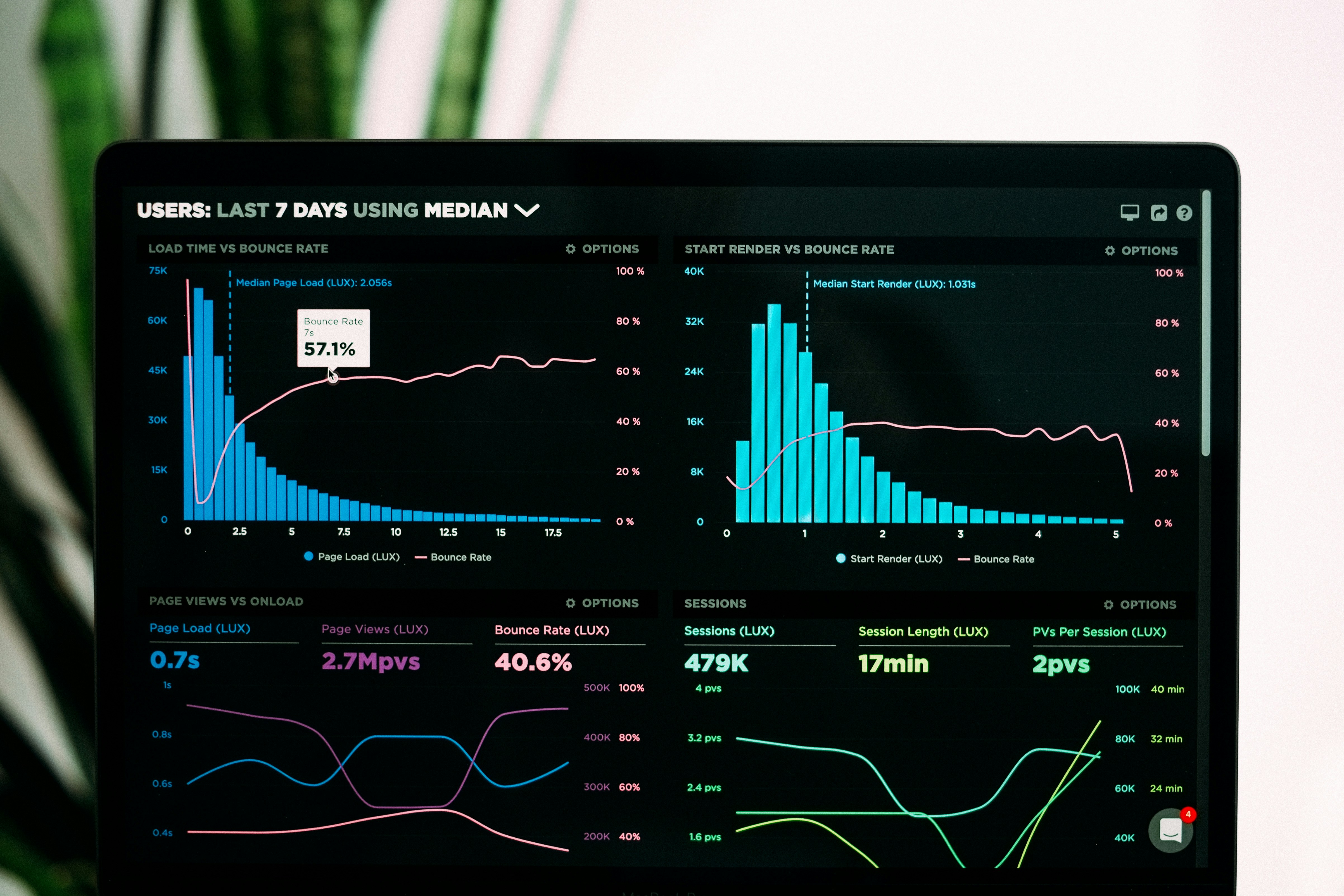
These platforms:
- monitor multiple clouds
- enforce security policies
- optimize costs
Without them, Cloud 3.0 becomes chaos.
#Solution / Tool 7: Intent-Based Cloud Architecture
Why it matters:
Instead of manually configuring systems, you define goals like:
- “low latency”
- “lowest cost”
- “data must stay in India”
The system automatically decides where workloads run.
This is a core principle of Cloud 3.0:
👉 infrastructure driven by intent, not manual setup oai_citation:5‡TechRadar
#Which Should You Choose?
| Your Priority | Best Choice | Runner-Up |
|---|---|---|
| Compliance & regulation | Sovereign Cloud | Hybrid Cloud |
| Cost optimization | Multi-Cloud | Cloud 3.0 |
| Simplicity | Single Cloud | Hybrid Cloud |
| Performance | Edge + Multi-Cloud | Cloud 3.0 |
| Future-proofing | Cloud 3.0 | Multi-Cloud |
👉 Most companies won’t choose one—they’ll combine them.
#What This Means for Readers

#Short term
- Companies start adopting multi-cloud setups
- Hiring demand rises for cloud architects
- Complexity increases
#Medium term (6–12 months)
- Sovereign cloud adoption grows (especially in India & EU)
- AI-driven cloud management becomes standard
- Cloud costs become harder to control
#Long term (12–24 months)
- Single-cloud strategies become obsolete
- Cloud becomes invisible infrastructure
- “Cloud engineer” roles evolve into cloud strategists
#FAQ
What exactly is Cloud 3.0?
A distributed, intelligent cloud model combining hybrid, multi-cloud, and sovereign systems.
Is hybrid cloud still relevant?
Yes—it’s actually becoming the foundation of Cloud 3.0.
What’s the difference between hybrid and multi-cloud?
Hybrid = mix of private + public
Multi-cloud = multiple providers
Why is sovereign cloud important?
Because governments want control over data and compliance.
Is Cloud 3.0 only for big companies?
Right now, yes—but it will trickle down to startups soon.
#The Simple Way to Think About It
Cloud used to be about where your data lives.
Cloud 3.0 is about what your data needs—and placing it in the best environment automatically.
And in a world of AI, regulation, and global uncertainty…
👉 That flexibility isn’t optional anymore. It’s survival.