
#The iPhone Fold Is Coming — But Will Anyone Pay That Price?
Copy page
TL;DR (Direct Answer):
Apple is widely rumored to be working on its first foldable iPhone, often referred to by analysts as the “iPhone Fold.” If it launches within the next couple of years, it will enter a market already dominated by expensive foldable devices like Samsung’s Galaxy Z Fold series and the Google Pixel Fold.
The real question isn’t whether Apple can build a foldable phone — it’s whether customers will accept the likely $1,800–$2,500 price range such a device could command. Apple has historically succeeded by entering markets late but refining the experience. If it can solve durability, battery life, and software optimization, the iPhone Fold could redefine the foldable category — but the price will remain its biggest challenge.
#Why This Topic Is Important Right Now

Foldable smartphones are no longer experimental gadgets. Over the past few years, companies like Samsung, Google, and Chinese manufacturers have steadily improved hinge mechanisms, screen durability, and software support.
What started as fragile prototypes has evolved into a real category of premium smartphones. Devices like Samsung’s Galaxy Z Fold line now function as both phone and tablet, appealing to productivity-focused users.
Apple’s absence in this space has been noticeable. The company typically waits until technologies mature before launching its own version — something it did with smartwatches, tablets, and wireless earbuds.
Analysts believe Apple has been researching foldable displays for years. Patents and supply chain reports suggest Apple is testing designs with crease-resistant OLED displays and improved hinge systems. If Apple finally enters the market, it could dramatically expand consumer awareness of foldables.
But the price may be the real barrier.
#The Key Solutions Compared

| Feature | Galaxy Z Fold | Pixel Fold | OnePlus Open | Oppo Find N3 | Huawei Mate X5 | Honor Magic V2 | iPhone Fold (Rumored) |
|---|---|---|---|---|---|---|---|
| Launch Status | Available | Available | Available | Available | Available | Available | Rumored |
| Form Factor | Book-style | Book-style | Book-style | Book-style | Outward fold | Book-style | Unknown |
| Software Ecosystem | Android | Android | Android | Android | HarmonyOS | Android | iOS |
| Approx Price | ~$1799 | ~$1799 | ~$1699 | ~$1699 | ~$2000+ | ~$1599 | Possibly $2000+ |
| Tablet Mode | Yes | Yes | Yes | Yes | Yes | Yes | Expected |
| App Optimization | Improving | Good | Good | Good | Moderate | Good | Unknown |
Foldable phones are clearly a premium niche category today. Nearly every major foldable costs well above traditional flagship phones.
If Apple launches its own version, it won’t be entering a cheap market — it will likely push the price ceiling even higher.
#Solution / Tool 1
#Samsung Galaxy Z Fold Series
 Samsung Galaxy Z Fold foldable smartphone
Samsung effectively created the modern foldable smartphone category with the Galaxy Z Fold lineup.
Why it matters:
Samsung has spent years refining hinge durability and foldable displays. Early models had reliability issues, but newer versions have become significantly more durable.
What it does:
The phone unfolds into a small tablet, enabling multitasking, split-screen apps, and stylus support.
Limitation:
Despite improvements, foldables are still thicker and heavier than regular smartphones.
Best for:
Users who want productivity features and a phone-tablet hybrid.
#Solution / Tool 2
#Google Pixel Fold
 Google Pixel Fold smartphone
Google’s Pixel Fold focuses heavily on software optimization.
Why it matters:
Because Google develops Android itself, the Pixel Fold integrates features designed specifically for foldable screens.
How it works:
Apps adapt dynamically between phone and tablet layouts, making multitasking smoother.
Best for:
Android users who prioritize software experience and Google ecosystem integration.
#Solution / Tool 3
#OnePlus Open
 OnePlus Open foldable smartphone
The OnePlus Open entered the foldable market with a strong emphasis on hardware engineering.
Why it matters:
The device introduced a hinge designed to reduce the visible crease in the screen.
Use cases:
Productivity, media consumption, and multitasking.
Limitation:
Software optimization still depends heavily on Android app support.
#Solution / Tool 4
#Oppo Find N3
 Oppo Find N3 foldable smartphone
Oppo’s foldable strategy focuses on compact design and build quality.
Key difference:
The Find N series often aims to reduce bulk compared to other foldables.
Best for:
Users who want a foldable without the oversized footprint of traditional book-style devices.
#Solution / Tool 5
#Huawei Mate X5
 Huawei Mate X foldable smartphone
Huawei approached foldables differently with outward folding designs.
How it works:
Instead of opening like a book, the screen folds outward, becoming both the front and back display.
Why it matters:
This design eliminates the need for two separate screens but increases durability challenges.
#Solution / Tool 6
#Honor Magic V2
 Honor Magic V2 foldable smartphone
The Honor Magic V2 focuses on thinness and weight reduction.
Best for:
Users who want a foldable phone that feels closer to a regular smartphone in everyday use.
Its design philosophy shows where foldables are heading: lighter, thinner, and more practical.
#Solution / Tool 7
#Apple’s Rumored iPhone Fold
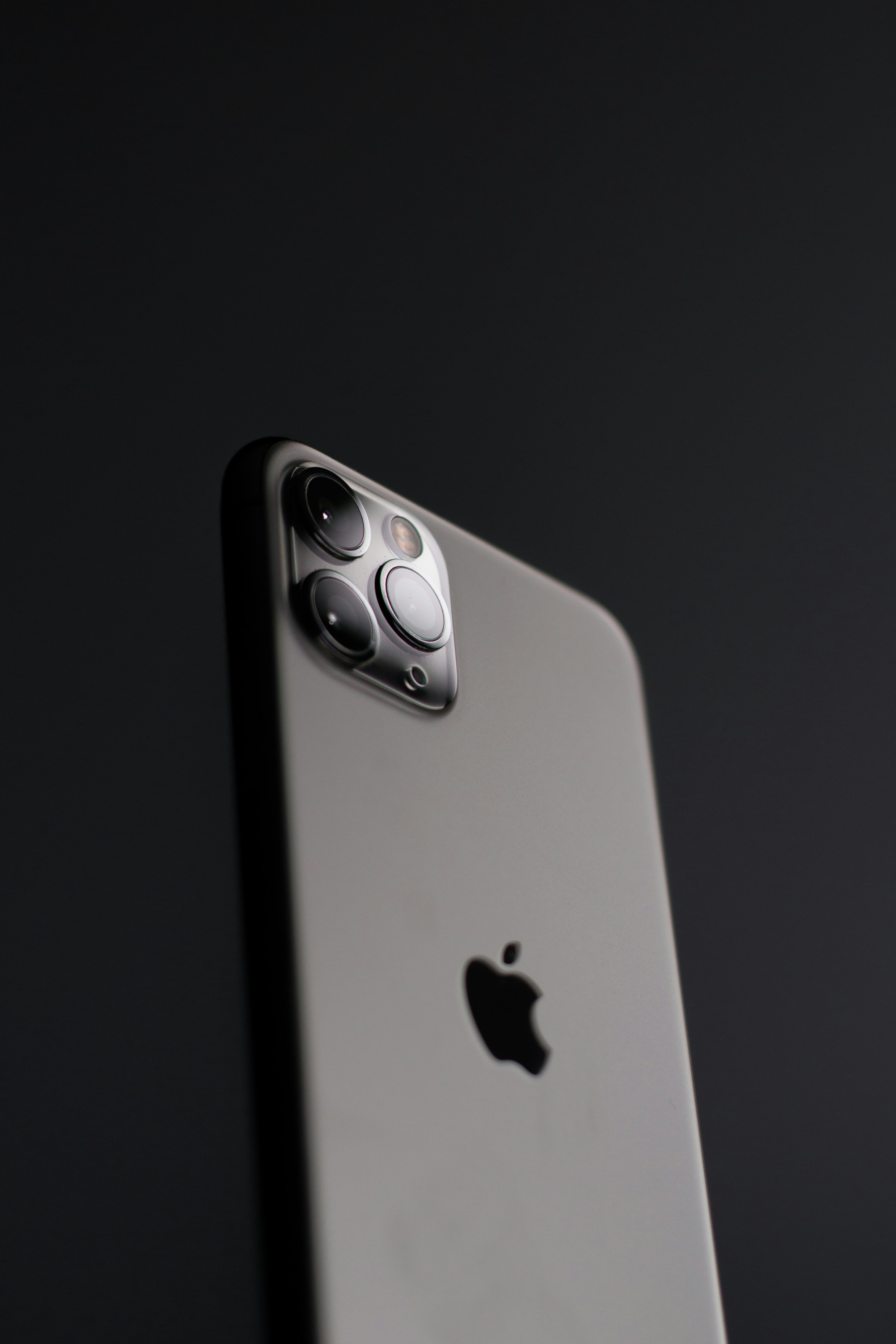
Apple has not officially confirmed a foldable iPhone, but reports from supply chain analysts suggest the company has been testing foldable OLED displays and new hinge technologies.
Why it matters:
Apple rarely rushes into new hardware categories. When it does launch something, it tends to focus on refining usability rather than being first.
Platform support:
If Apple releases a foldable device, it would likely integrate tightly with iOS, iPad-style multitasking, and Apple ecosystem features.
Best for:
Users deeply invested in the Apple ecosystem who want a hybrid phone-tablet device.
#Which Should You Choose?

| Your Priority | Best Choice | Runner-Up |
|---|---|---|
| Best hardware maturity | Galaxy Z Fold | OnePlus Open |
| Best Android software | Pixel Fold | Galaxy Z Fold |
| Thinnest design | Honor Magic V2 | Oppo Find N3 |
| Unique design | Huawei Mate X | OnePlus Open |
| Apple ecosystem | iPhone Fold (if released) | Galaxy Z Fold |
For most users today, Samsung still provides the most polished foldable experience. But Apple’s entry could change that dynamic quickly.
#What This Means for Readers
#Short term
Foldable phones will remain expensive niche devices. Prices near $1,700–$2,000 limit mainstream adoption.
#Medium term (6–12 months)
Competition among manufacturers will push improvements in hinge durability, display quality, and battery life.
#Long term (12–24 months)
If Apple launches a foldable iPhone, the category could expand dramatically. Apple’s influence often turns niche technologies into mainstream products.
However, pricing will remain the key factor. Even loyal Apple users may hesitate if the device approaches $2,500.
#How Relevant Platforms Fit In
Foldables depend heavily on software ecosystems.
Android has already adapted to larger and flexible displays through multi-window support and responsive app design.
Apple’s advantage would be its ability to optimize iOS apps, iPad-style multitasking, and ecosystem features simultaneously.
If Apple solves the foldable interface problem better than competitors, the iPhone Fold could become the first foldable that truly feels mainstream.
#FAQ
Is Apple actually making a foldable iPhone?
Apple has not officially confirmed it, but patents and supply chain reports strongly suggest the company has been researching foldable devices.
How expensive could the iPhone Fold be?
Analysts estimate a possible price between $2,000 and $2,500, depending on hardware configuration.
Why are foldable phones so expensive?
Flexible OLED displays, complex hinge mechanisms, and lower production volumes significantly increase manufacturing costs.
Are foldable phones durable now?
They are much better than early models, but durability still doesn’t match traditional smartphones.
When could the iPhone Fold launch?
Most industry estimates suggest 2026 or later, though Apple has not announced a timeline.
Source reference for the blog writing framework: :contentReference[oaicite:0]{index=0}