
#Is Your Kid Safer Online After Meta's Court Loss? The Ugly Truth
Copy page

TL;DR (Direct Answer)
No—your kid is not automatically safer online after Meta’s court loss. The ruling is a major legal milestone, but it doesn’t instantly fix the deeper issues built into social media platforms: addictive design, weak age verification, and algorithm-driven exposure to harmful content.
What it does do is shift the conversation. For the first time, courts are holding tech giants accountable. But real safety will depend on what happens next—regulation, product changes, and how seriously companies act under pressure.
#Why This Topic Is Important Right Now

In March 2026, a jury ordered Meta Platforms to pay $375 million after finding it failed to protect children from predators and harmful content. oai_citation:0‡The Washington Post
This wasn’t just another lawsuit—it was a turning point.
For years, social media companies argued they were platforms, not responsible for user behavior. But this case flipped that idea. The court concluded that design decisions—like algorithms and weak safety systems—can directly contribute to harm.
At the same time, another case found Meta and Google liable for creating addictive platforms that harmed a young user’s mental health. oai_citation:1‡Reuters
Together, these rulings send a clear message:
Tech companies can no longer hide behind “we just provide the platform.”
But here’s the uncomfortable truth: legal accountability doesn’t instantly translate into real-world safety.
#The Key Solutions Compared
| Feature | Platform Responsibility | Government Regulation | Parental Controls | AI Moderation | Age Verification | Design Changes | Education |
|---|---|---|---|---|---|---|---|
| Who acts | Companies | Lawmakers | Parents | Companies | Companies + Gov | Companies | Schools/Parents |
| Speed | Slow | Very slow | Immediate | Medium | Medium | Slow | Medium |
| Effectiveness | Medium | High (if enforced) | Medium | Low–Medium | Medium | High | Medium |
| Scalability | High | High | Low | High | Medium | High | High |
| Current status | Improving | In progress | Available | Already used | Weak | Limited | Growing |
The takeaway? There is no single fix.
Even after the court ruling, safety depends on a combination of policy, technology, and human behavior—and right now, none of these are fully optimized.
#Solution / Tool 1: Platform Accountability

Why it matters:
This court ruling forces companies like Meta to rethink their priorities. Internal documents revealed they were aware of risks but delayed action. oai_citation:2‡TIME
What it does:
- Forces companies to invest more in safety
- Creates financial consequences for negligence
- Encourages transparency
Limitation:
Companies often appeal decisions and move slowly. The $375M fine, while large, is still small relative to Meta’s scale.
Best for:
Long-term systemic change—not immediate protection.
#Solution / Tool 2: Government Regulation
Why it matters:
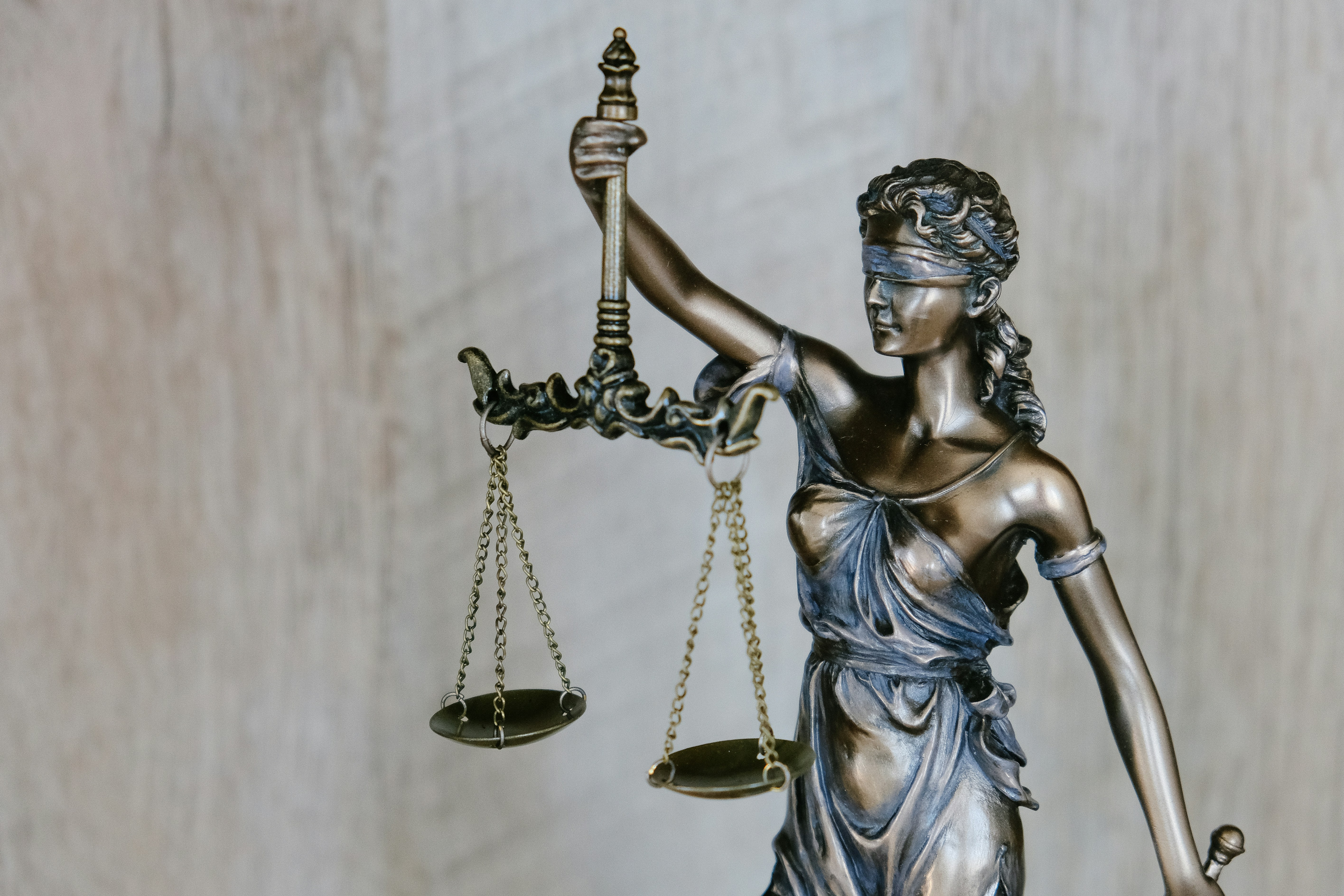
Laws like the Kids Online Safety Act aim to impose strict rules on platforms.
How it works:
- Forces safer default settings
- Requires risk assessments
- Holds companies legally liable
Best for:
Creating enforceable, large-scale safety standards.
But here’s the catch: regulation is slow, and tech evolves faster than laws.
#Solution / Tool 3: AI Moderation Systems

Why it matters:
Meta already uses AI to detect harmful content—but the court case showed it wasn’t enough.
Use cases:
- Detecting predators
- Flagging harmful posts
- Monitoring chats
Limitation:
AI often misses context or reacts too late. Over-reliance on automation was actually criticized in the case. oai_citation:3‡The Guardian
#Solution / Tool 4: Stronger Age Verification

Key difference:
Most platforms claim users must be 13+, but enforcement is weak.
Best for:
- Preventing underage access
- Limiting exposure early
However, stricter verification raises privacy concerns and is hard to implement globally.
#Solution / Tool 5: Safer Product Design
How it works:
- Removing infinite scroll
- Limiting recommendations
- Reducing addictive features
Why it matters:
The Los Angeles case highlighted how design choices—like endless feeds—drive addiction. oai_citation:4‡Reuters
This is arguably the most powerful lever—but also the least likely to change quickly because it affects revenue.
#Solution / Tool 6: Parental Controls

Best for:
Immediate, hands-on protection.
Parents can:
- Set screen limits
- Monitor activity
- Restrict content
But realistically, most parents don’t fully understand how these tools work—or kids find ways around them.
#Solution / Tool 7: Digital Education

Why it matters:
Kids need to understand risks, not just be protected from them.
Platform support:
Schools, NGOs, and even tech companies are starting to push digital literacy.
Best for:
Long-term behavioral change.
#Which Should You Choose?
| Your Priority | Best Choice | Runner-Up |
|---|---|---|
| Immediate safety | Parental Controls | Age Verification |
| Long-term safety | Education | Regulation |
| System-wide change | Regulation | Platform Accountability |
| Reducing addiction | Design Changes | Education |
| Preventing predators | AI Moderation | Age Verification |
No single solution is enough.
The smartest approach? Combine parental awareness + platform pressure + policy changes.
#What This Means for Readers

#Short term
Not much changes overnight.
Meta will likely appeal. Platforms may announce new safety features—but don’t expect dramatic improvements immediately.
Kids are still exposed to the same systems today.
#Medium term (6–12 months)
This is where things get interesting.
- More lawsuits are already lined up
- Governments may accelerate regulation
- Platforms will start tweaking features
Expect visible but incremental improvements.
#Long term (12–24 months)
This ruling could reshape the entire industry.
If more courts follow this precedent:
- Social media design could fundamentally change
- Age verification may become mandatory
- Platforms could be treated like regulated industries
But there’s also a risk: companies may do the bare minimum unless pressure continues.
#FAQ
Does this ruling mean social media is now safe for kids?
No. It’s a legal win, not a safety solution.
Why was Meta held liable?
Because the court found it failed to protect children and misled users about safety. oai_citation:5‡The Washington Post
Will other companies face similar lawsuits?
Yes. Thousands of similar cases are already in progress.
Can parents rely on platforms for safety now?
Not fully. Parental involvement is still critical.
What’s the biggest real change from this case?
Accountability. For the first time, courts are saying:
platform design choices have consequences.
#The Ugly Truth
The internet didn’t suddenly become safer.
But something more important happened:
the illusion that tech companies are untouchable is gone.
And that might be the first real step toward protecting kids online.