
#The Quick Commerce Squeeze: Amazon and Flipkart’s Takeover of Indian Delivery
Copy page

#TL;DR (Direct Answer)
India’s quick commerce market is entering its most intense phase yet. Startups like Zepto and Swiggy Instamart built the category with ultra-fast delivery and dense logistics networks—but now Amazon and Flipkart are entering aggressively with deep discounts, massive capital, and existing customer ecosystems.
The result? A high-stakes price war that could reshape the industry—where scale, not speed, may ultimately decide the winners.
#Why This Topic Is Important Right Now
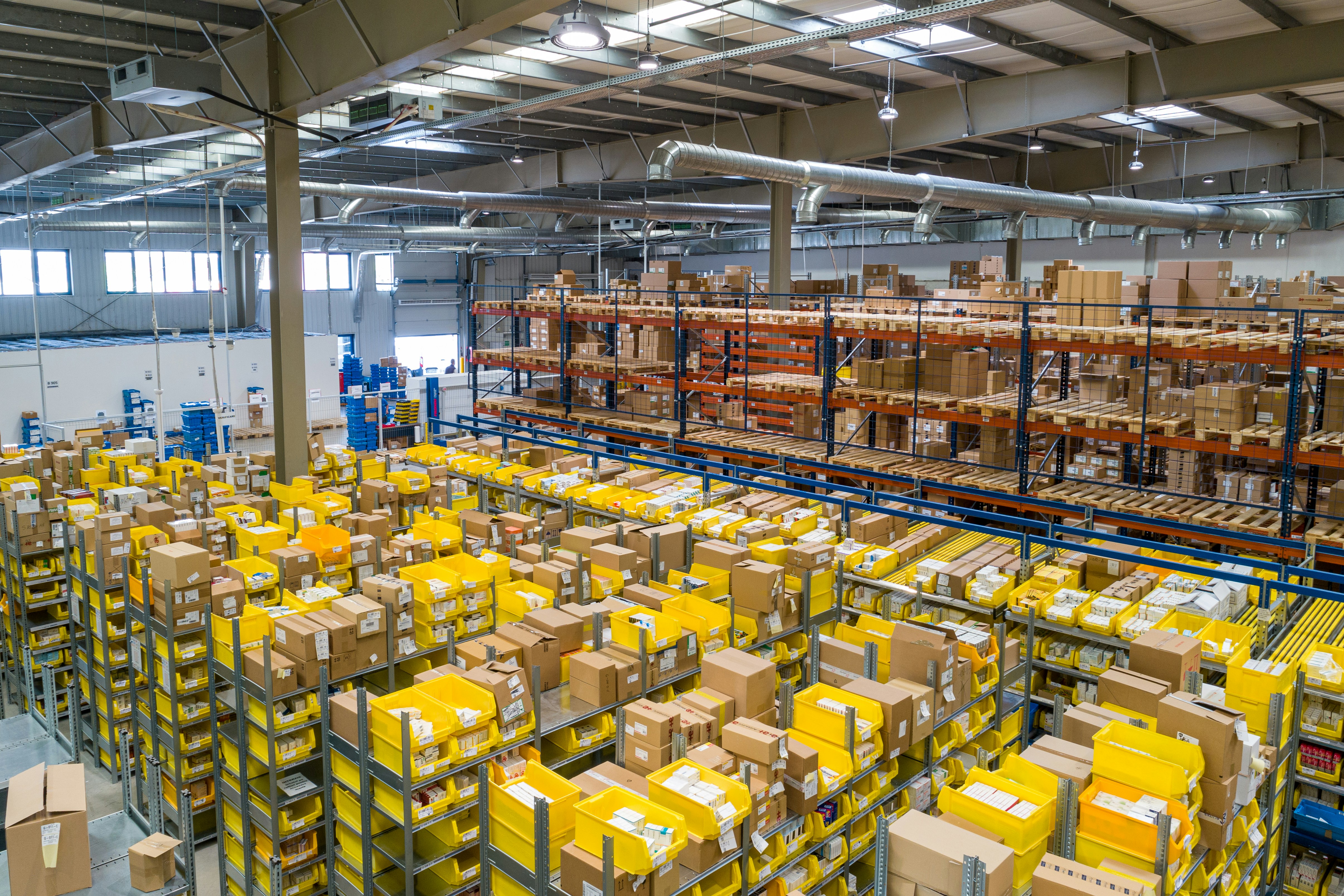
India’s quick commerce sector has grown explosively over the past few years, driven by urban consumers demanding groceries and essentials in under 15 minutes. What started as an experimental model is now a multi-billion-dollar market, with companies racing to build dense “dark store” networks across cities.
But the real shift is happening now.
Amazon and Flipkart—traditionally focused on next-day or two-day delivery—have stepped into the quick commerce battlefield with services like Amazon Now and Flipkart Minutes. Their entry is not subtle. They are leveraging deep pockets, offering steep discounts, and using their massive user bases to capture daily-use purchases. oai_citation:0‡Blog_prompt.txt
This is triggering a price war across the industry. Reports show aggressive discounting strategies aimed at capturing market share, even if it means short-term losses. oai_citation:1‡The Economic Times
At the same time, startups like Zepto, Blinkit, and Swiggy Instamart—who pioneered the model—are under pressure to defend their turf while managing high cash burn and profitability concerns.
#The Key Solutions Compared
| Feature | Amazon Now | Flipkart Minutes | Zepto | Swiggy Instamart | Blinkit | BigBasket Now | Dunzo |
|---|---|---|---|---|---|---|---|
| Delivery Speed | 10–20 mins | ~10 mins | ~10 mins | ~10–15 mins | ~10 mins | ~15–30 mins | Variable |
| Pricing Strategy | Heavy discounts | Heavy discounts | Competitive | Discount-driven | Balanced | Premium + offers | Mixed |
| Network Scale | Growing | Growing | Strong urban | Strong urban | Market leader | Legacy supply | Limited |
| Profitability Focus | Long-term | Long-term | Improving | Moderate | Improving | Stable | Struggling |
| Strength | Ecosystem | E-commerce reach | Speed + youth appeal | Logistics backbone | Market share | Supply chain | Flexibility |
| Weakness | Late entry | Late entry | High burn | Margin pressure | Competition | Slower speed | Scale issues |
The table highlights a key shift: startups dominate speed and execution, while Amazon and Flipkart dominate capital and scale.
This creates a classic startup vs giant dynamic—where innovation meets brute force.
#Solution / Tool 1: Amazon Now

Why it matters:
Amazon’s entry signals that quick commerce is no longer niche—it’s the future of e-commerce.
What it does:
Amazon Now focuses on ultra-fast delivery of essentials using localized warehouses and Prime ecosystem integration. It leverages existing logistics infrastructure while layering speed on top.
Limitation:
Late entry means weaker dark store density compared to incumbents.
Best for:
Existing Amazon users who want faster everyday deliveries.
#Solution / Tool 2: Flipkart Minutes

Why it matters:
Flipkart brings Walmart-backed capital and deep penetration into Indian households.
How it works:
Flipkart Minutes integrates quick commerce into its main platform, offering fast delivery alongside traditional e-commerce.
Best for:
Users already embedded in Flipkart’s ecosystem.
#Solution / Tool 3: Zepto
Why it matters:
Zepto represents the new-age startup playbook—speed, branding, and execution.
Use cases:
- Instant groceries
- Late-night essentials
- Youth-focused consumption
Limitation:
High cash burn and reliance on funding.
#Solution / Tool 4: Swiggy Instamart

Key difference:
Backed by Swiggy’s food delivery network, giving it a logistics advantage.
Best for:
Users who already rely on Swiggy for food and want bundled convenience.
#Solution / Tool 5: Blinkit
How it works:
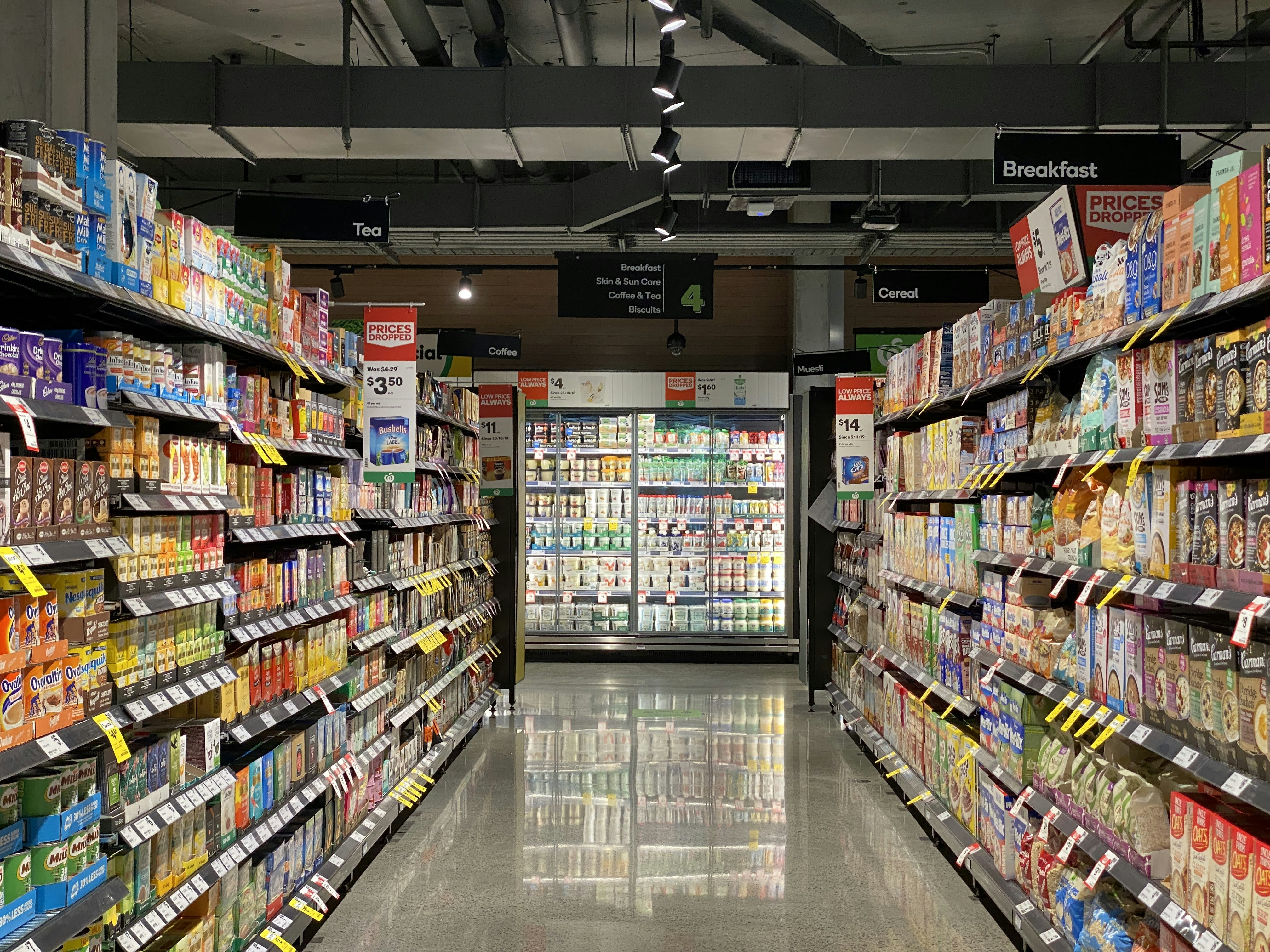
Blinkit operates dense dark stores across cities, enabling extremely fast deliveries.
Why it matters:
It currently leads the market with the largest share, thanks to scale and execution. oai_citation:2‡CIIM
#Solution / Tool 6: BigBasket Now

Best for:
Users who prioritize reliability and quality over extreme speed.
BigBasket leverages Tata’s supply chain strength but is slightly slower than pure quick commerce players.
#Solution / Tool 7: Dunzo
Why it matters:
Dunzo pioneered hyperlocal delivery before quick commerce became mainstream.
Platform support:
Offers flexible delivery across categories beyond groceries.
Best for:
Users needing diverse, on-demand delivery services.
#Which Should You Choose?
| Your Priority | Best Choice | Runner-Up |
|---|---|---|
| Cheapest prices | Amazon Now | Flipkart Minutes |
| Fastest delivery | Blinkit | Zepto |
| Ecosystem convenience | Swiggy Instamart | Amazon Now |
| Reliability | BigBasket Now | Blinkit |
| Variety of services | Dunzo | Swiggy |
Choosing the right platform depends on what you value most—price, speed, or ecosystem. Increasingly, however, pricing is becoming the deciding factor as discounts intensify.
#What This Means for Readers

The quick commerce war is not just about faster groceries—it’s about the future of how India shops.
#Short term
Consumers benefit the most. Deep discounts, faster deliveries, and better service quality are immediate outcomes of this competition.
#Medium term (6–12 months)
Expect consolidation pressure. Startups will be forced to optimize costs, reduce burn, and possibly merge or pivot. Zepto’s push toward profitability reflects this shift. oai_citation:3‡The Economic Times
#Long term (12–24 months)
The market may evolve into a few dominant players—likely those with:
- Strong capital
- Dense logistics networks
- Integrated ecosystems
Amazon and Flipkart have a clear advantage here, but startups still hold ground through innovation and speed.
#FAQ
Is quick commerce profitable in India?
Not yet for most players. High delivery costs and discounts make profitability challenging.
Why are Amazon and Flipkart entering this space now?
Because quick commerce is starting to eat into traditional e-commerce demand. oai_citation:4‡emerge.fibre2fashion.com
Who currently leads the market?
Blinkit leads, followed by Zepto and Swiggy Instamart. oai_citation:5‡CIIM
Is this price war sustainable?
Only in the short term. Long-term sustainability will require better unit economics.
Will startups survive this competition?
Some will—but only those that can balance growth with profitability and differentiation.