
#Supply Chain 2.0: How AI and IoT Are Completely Automating Global Logistics
Copy page
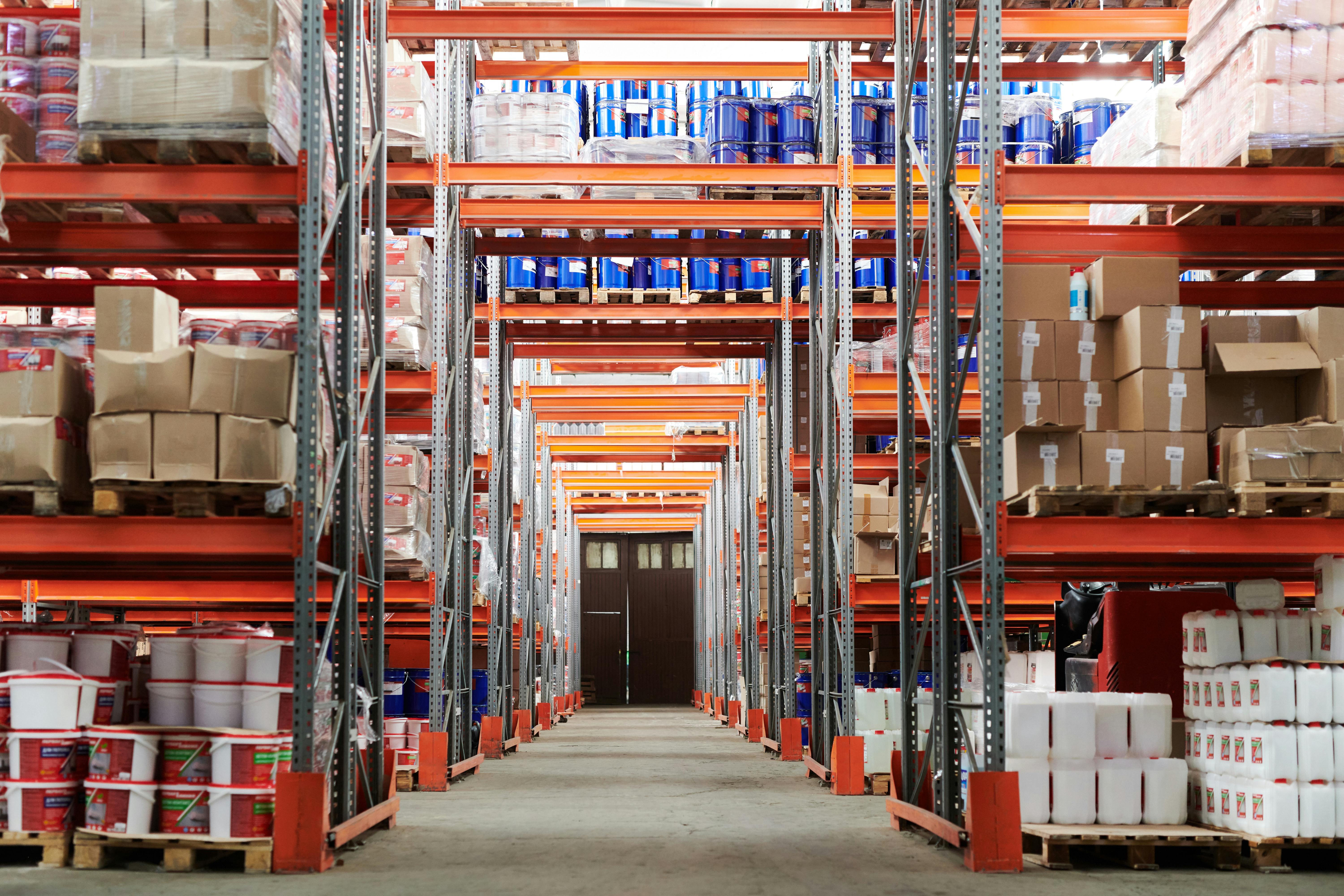 Global logistics network and smart supply chain concept
TL;DR (Direct Answer)
Global supply chains are becoming increasingly autonomous thanks to the combination of artificial intelligence (AI) and the Internet of Things (IoT). AI analyzes massive logistics data streams to predict demand, optimize routes, and automate decisions, while IoT sensors provide real-time visibility into shipments, warehouses, and transportation networks.
This shift—often referred to as Supply Chain 2.0—is transforming logistics from a reactive system into a predictive, self-optimizing ecosystem. Companies can now anticipate disruptions, automate warehouses, and dynamically adjust global distribution networks in ways that were impossible just a decade ago.
#Why This Topic Is Important Right Now
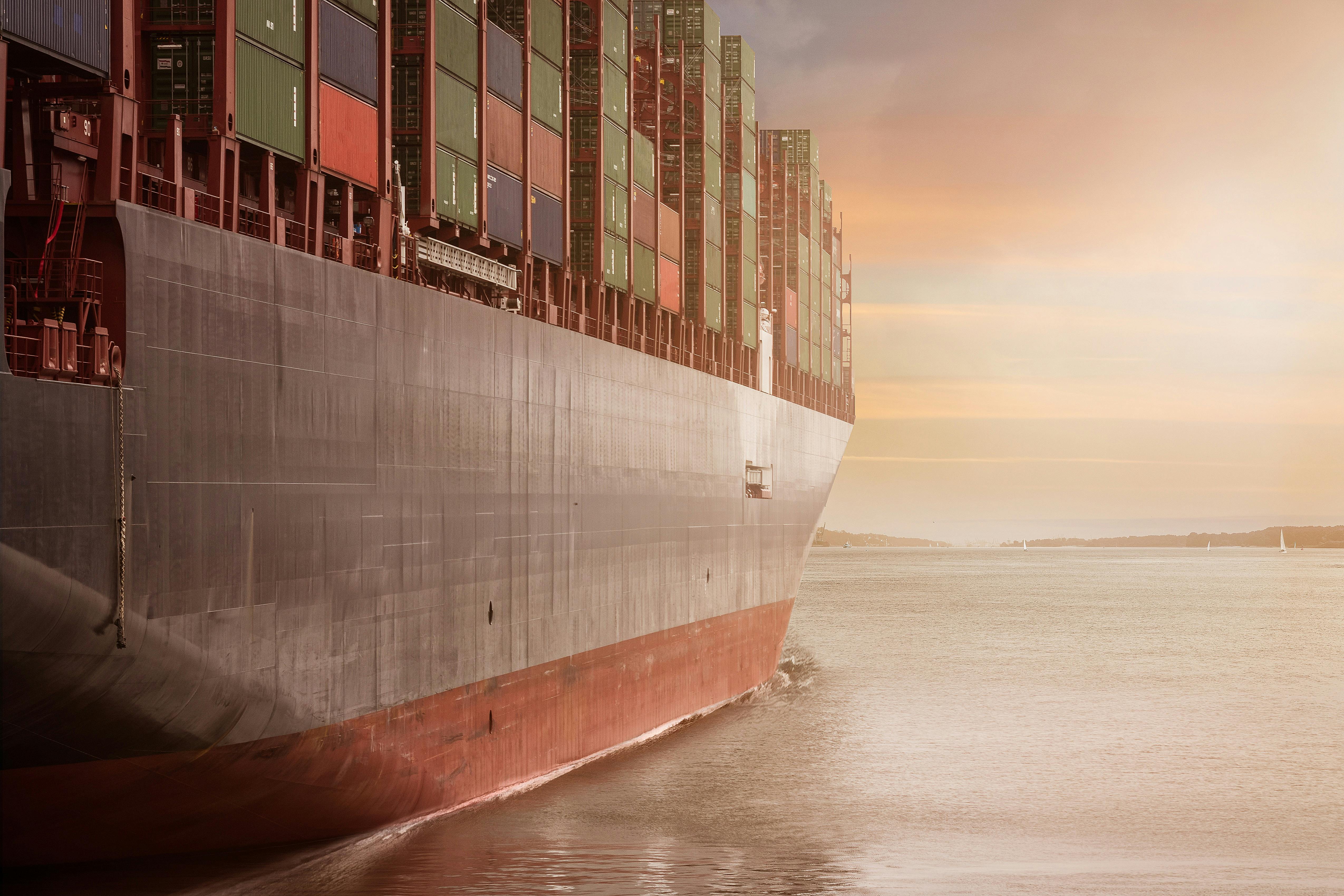 Global container shipping port with logistics infrastructure
The past few years exposed how fragile global supply chains can be. Pandemic disruptions, geopolitical tensions, and shipping bottlenecks forced companies to rethink how goods move around the world.
Traditional logistics systems relied heavily on manual planning, spreadsheets, and limited visibility across supply networks. When disruptions occurred, organizations often reacted too slowly.
AI and IoT technologies are changing that. Sensors embedded in trucks, shipping containers, and warehouses continuously generate data about location, temperature, delays, and equipment health. AI systems analyze that data to predict disruptions and automatically adjust operations.
Instead of reacting to problems, modern supply chains can now anticipate demand shifts, reroute shipments automatically, and optimize inventory levels in real time.
#The Key Solutions Compared
| Feature | Predictive Demand AI | Smart Warehouses | Real-Time IoT Tracking | Autonomous Delivery | Digital Supply Chain Twins | AI Route Optimization | Robotic Fulfillment |
|---|---|---|---|---|---|---|---|
| Real-time data integration | High | Moderate | High | Moderate | High | High | Moderate |
| Automation level | Moderate | High | Moderate | High | Moderate | High | High |
| Cost reduction potential | High | High | Moderate | Moderate | High | High | High |
| Deployment maturity | Growing | Mature | Mature | Emerging | Emerging | Mature | Growing |
| Main benefit | Forecast accuracy | Faster fulfillment | Shipment visibility | Reduced labor | Risk simulation | Logistics efficiency | Warehouse automation |
Each of these technologies addresses a different part of the logistics pipeline. Some focus on planning and forecasting, while others automate the physical movement of goods.
When combined, they create an intelligent logistics network capable of operating with minimal human intervention.
#Solution / Tool 1: Predictive Demand AI
 Data analytics dashboard with supply chain metrics
Demand forecasting has historically been one of the most difficult problems in logistics. Even small forecasting errors can cause massive inventory imbalances.
Why it matters:
AI models analyze historical sales, seasonal patterns, economic signals, and real-time market trends to predict demand more accurately.
What it does:
- Predicts product demand across regions
- Optimizes inventory placement
- Prevents overstocking and shortages
Limitation:
Forecasting accuracy still depends on the quality and availability of historical data.
Best for:
Retail companies, manufacturers, and large distribution networks.
#Solution / Tool 2: Smart Warehouses
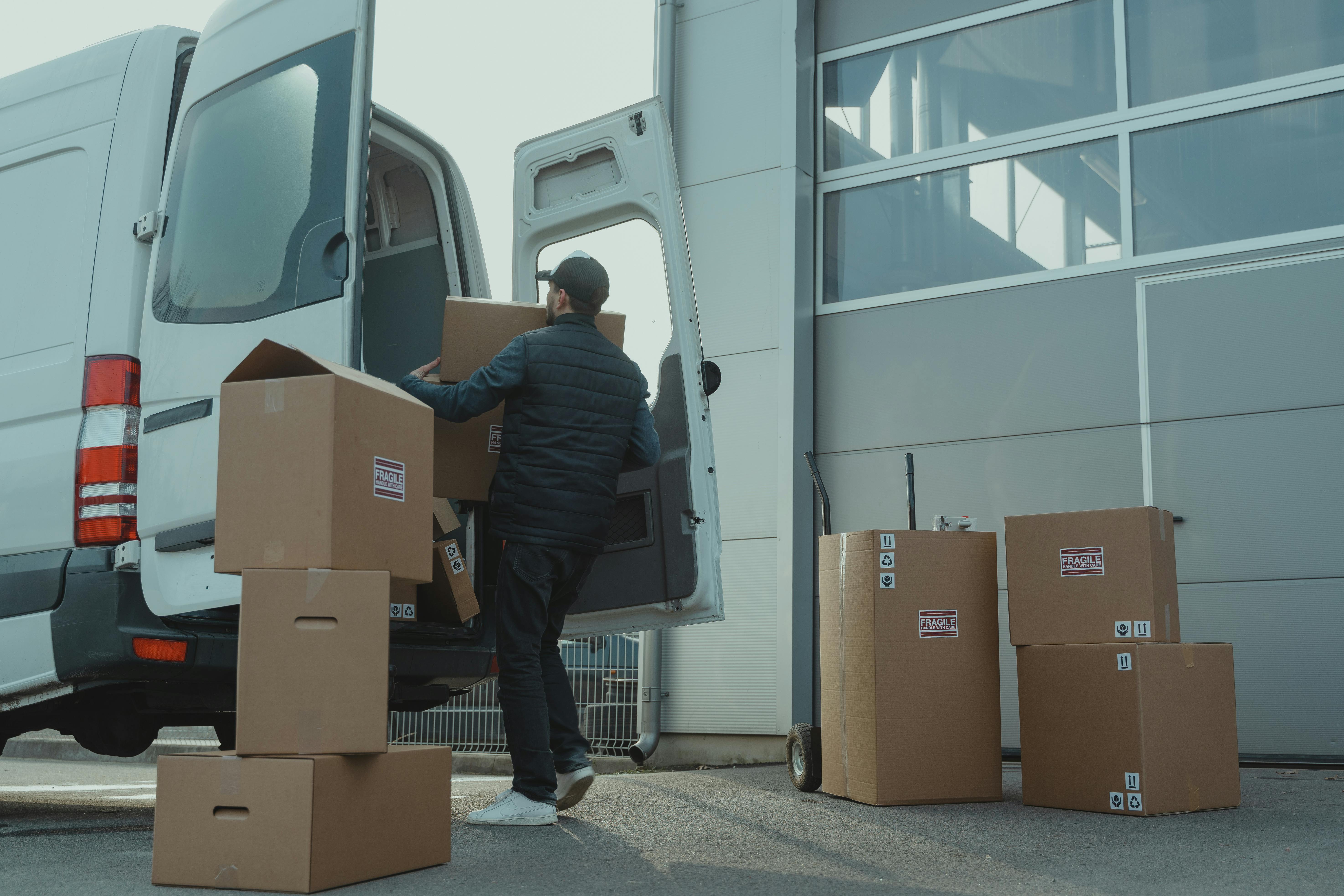 Autonomous warehouse robots moving inventory
Modern warehouses are rapidly becoming automated environments powered by robotics and AI.
Why it matters:
Warehouse labor shortages and rising operational costs are pushing companies toward automation.
How it works:
Robots equipped with sensors and AI navigation systems move inventory, pick products, and manage warehouse layouts dynamically.
Best for:
Large e-commerce companies and logistics providers handling high order volumes.
#Solution / Tool 3: Real-Time IoT Shipment Tracking
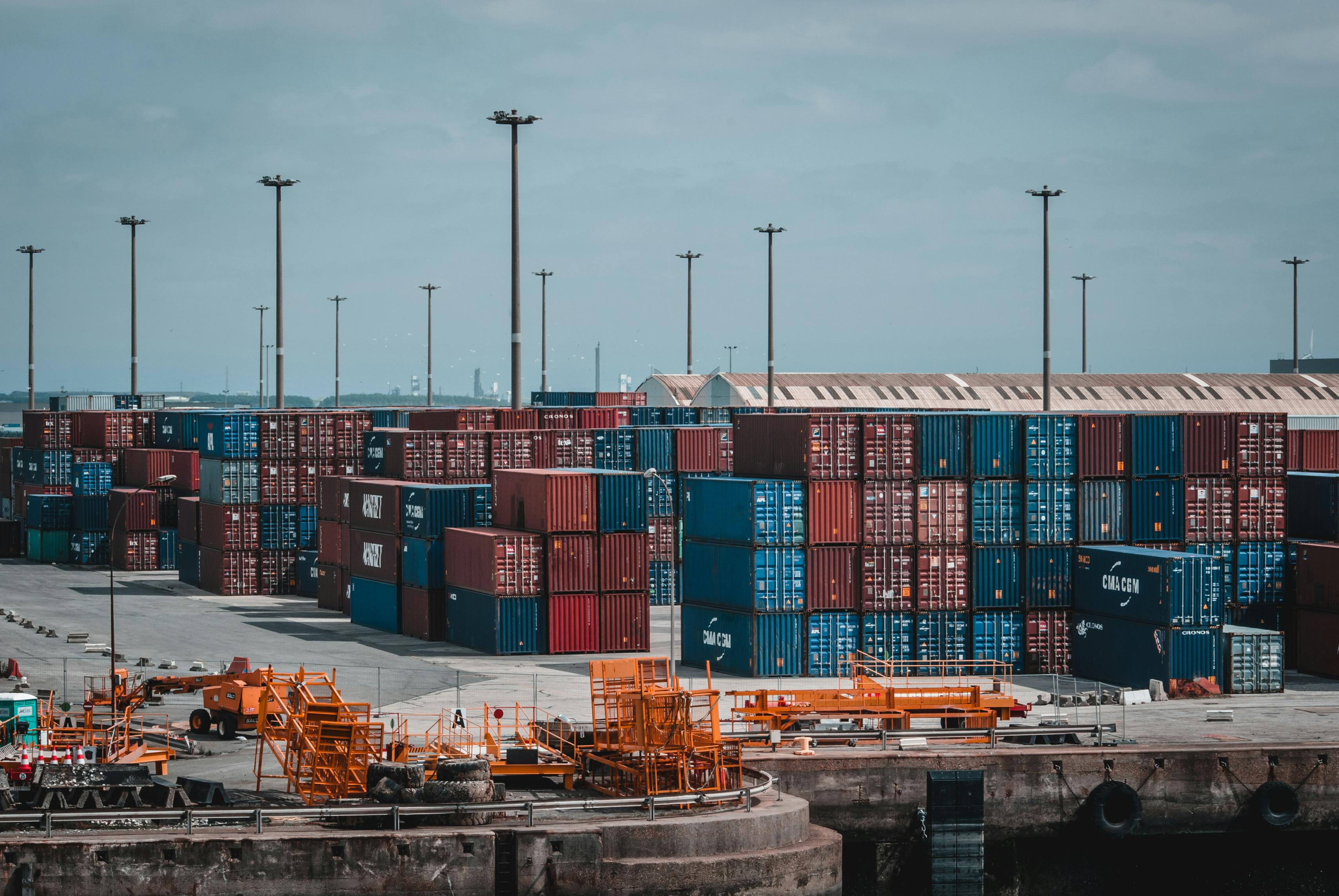 Shipping container logistics with digital tracking
IoT sensors embedded in containers, trucks, and pallets allow logistics companies to track goods across the entire transportation network.
Why it matters:
Visibility has historically been one of the biggest weaknesses in supply chains.
Use cases:
- Monitoring shipment location in real time
- Detecting temperature changes for pharmaceuticals or food
- Identifying delays or disruptions instantly
Limitation:
Requires widespread sensor deployment and connectivity infrastructure.
#Solution / Tool 4: Autonomous Delivery Systems
 Autonomous delivery vehicle on city street
Autonomous vehicles and delivery robots are beginning to reshape last-mile logistics.
Key difference:
These systems can deliver goods with minimal human involvement.
Best for:
Urban delivery networks, food delivery platforms, and local logistics operations.
While still emerging, autonomous delivery could dramatically reduce logistics costs in the long run.
#Solution / Tool 5: Digital Supply Chain Twins
Digital twins are virtual replicas of real-world supply chain networks.
How it works:
Companies simulate their logistics networks using AI models that mirror real-world operations.
Why it matters:
Businesses can test scenarios such as port closures, demand spikes, or supplier disruptions before they happen.
This allows companies to develop resilient logistics strategies.
#Solution / Tool 6: AI Route Optimization
 Logistics route optimization on digital map
Route planning used to rely on static schedules. AI now allows logistics networks to adjust routes dynamically.
Best for:
Transportation fleets, delivery companies, and shipping networks.
AI systems analyze traffic conditions, fuel consumption, delivery deadlines, and weather conditions to determine the most efficient route.
The result is faster delivery times and reduced fuel costs.
#Solution / Tool 7: Robotic Fulfillment Systems
 Automated fulfillment center with robotic arms
Robotic fulfillment systems automate product picking, sorting, and packaging inside distribution centers.
Why it matters:
Manual fulfillment is slow and error-prone when handling millions of orders.
Platform support:
Robotics platforms integrate with warehouse management software and AI optimization systems.
Best for:
E-commerce companies and global logistics providers managing large product catalogs.
#Which Should You Choose?
| Your Priority | Best Choice | Runner-Up |
|---|---|---|
| Demand forecasting | Predictive Demand AI | Digital Twins |
| Warehouse efficiency | Smart Warehouses | Robotic Fulfillment |
| Shipment visibility | IoT Tracking | Route Optimization |
| Last-mile delivery | Autonomous Delivery | Route Optimization |
| Supply chain resilience | Digital Twins | Predictive AI |
Organizations rarely deploy a single technology. Instead, Supply Chain 2.0 emerges when multiple intelligent systems integrate across logistics networks.
The most successful companies treat AI and IoT as a unified infrastructure layer rather than isolated tools.
#What This Means for Readers
 Futuristic global logistics network visualization
The transition to AI-driven logistics is already underway across many industries.
#Short term
Companies will continue deploying IoT sensors and AI analytics tools to gain better visibility across supply chains.
Businesses will increasingly rely on predictive analytics to manage inventory and demand planning.
#Medium term (6–12 months)
Autonomous warehouse systems and AI logistics platforms will become more common across retail, manufacturing, and shipping companies.
Supply chain managers will shift from manual operations toward data-driven decision making.
#Long term (12–24 months)
Fully autonomous logistics networks could emerge where AI systems coordinate suppliers, warehouses, transportation fleets, and distribution centers with minimal human intervention.
Supply chains may evolve into self-optimizing global networks capable of adapting instantly to disruptions.
For businesses, this transformation could dramatically reduce operational costs while improving delivery speed and reliability.
#FAQ
What is Supply Chain 2.0?
Supply Chain 2.0 refers to the next generation of logistics systems powered by AI, IoT, automation, and real-time data analytics.
How does AI improve logistics operations?
AI analyzes large datasets to predict demand, optimize routes, automate warehouses, and identify supply chain disruptions before they occur.
What role does IoT play in supply chains?
IoT sensors track shipments, monitor equipment health, and provide real-time data that AI systems use to optimize logistics decisions.
Will automation replace logistics jobs?
Automation will likely change logistics roles rather than eliminate them entirely, shifting work toward system management and analytics.
Which industries benefit the most from Supply Chain 2.0?
Retail, e-commerce, manufacturing, pharmaceuticals, and global shipping industries are among the biggest adopters.